How to Grow Stone Flower (Kalpasi) at Home: A Complete Cultivation Guide for Beginners

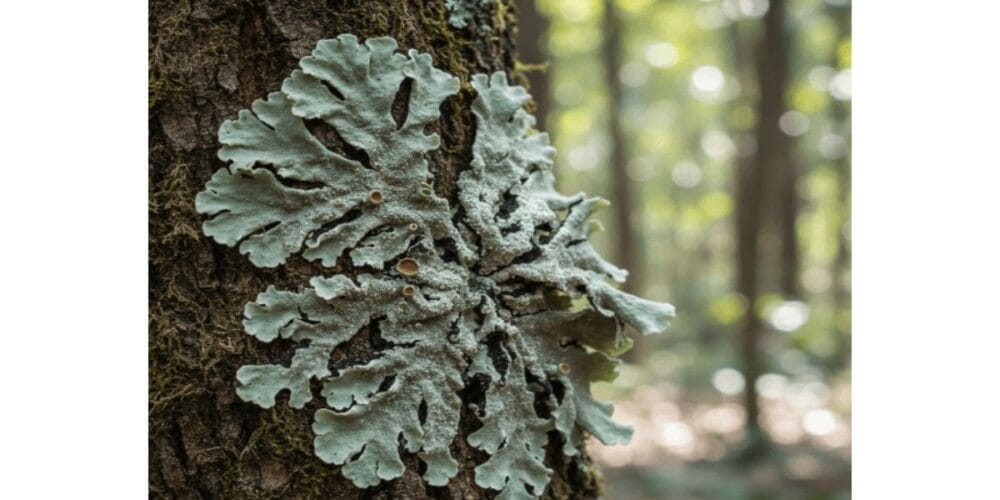
How to Grow Stone Flower (Kalpasi) at Home
Stone Flower, popularly known as Kalpasi or Black Stone Flower, is a unique type of lichen widely used as a spice in Indian cuisine—especially in Chettinad, Maharashtrian, and Hyderabadi dishes. Scientifically called Parmotrema perlatum, Stone Flower is not a typical plant but a symbiotic organism formed by algae and fungi growing together. It thrives naturally on rocks, tree bark, and old walls in moist forest environments.
Due to its increasing demand in the spice and medicinal industries, many growers are now interested in cultivating Stone Flower sustainably. Although it doesn’t grow like traditional crops, it is still possible to encourage its growth under controlled environmental conditions.
In this blog, we’ll guide you through everything you need to know about growing Stone Flower successfully.
Table of Contents
What is Stone Flower?
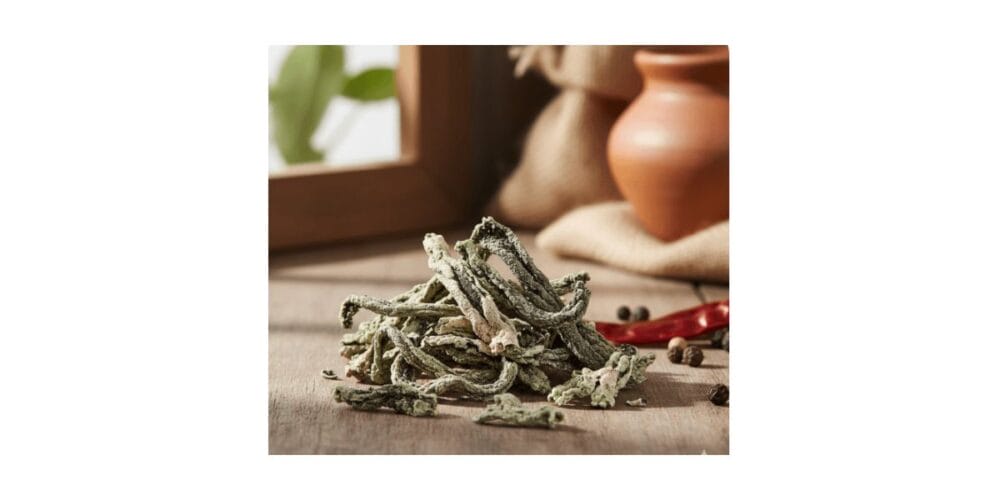
Stone Flower is a lichen species commonly found in tropical and subtropical regions of India. It appears as a dry, flaky, blackish-grey substance with a rough texture. This spice has a strong earthy aroma and is often used in garam masala and traditional curry preparations.

Apart from culinary use, Stone Flower is also known for its medicinal properties such as antimicrobial and anti-inflammatory benefits.
Ideal Climate for Growing Stone Flower
Stone Flower grows best in humid and cool environments. Since it naturally develops in forest areas, mimicking such conditions is essential for successful cultivation.
- Temperature: 15°C to 28°C
- Humidity: 70% to 90%
- Rainfall: Moderate to high
- Light: Indirect sunlight or partial shade
Regions with high humidity and mild temperatures—such as hilly or semi-forested areas—are ideal for promoting lichen growth.
Suitable Growing Surfaces
Unlike soil-based plants, Stone Flower grows on hard surfaces such as:
- Tree bark (especially older trees)
- Rocks and stones
- Brick walls
- Coconut shells
- Clay tiles
You can artificially create a growing environment by placing porous rocks or bark pieces in a shaded and humid area of your farm or garden.
Propagation Method
Stone Flower is propagated through fragmentation, not seeds.
Steps for Propagation:
- Collect small fragments of Stone Flower from natural sources like forest tree bark or rocks.
- Choose a rough surface such as a stone or bark slab.
- Moisten the surface using clean water.
- Attach the Stone Flower fragments using a natural adhesive like rice starch paste.
- Keep the setup in a shaded, humid area.
- Spray water regularly to maintain moisture.
Over time, the lichen will begin to establish itself and spread slowly across the surface.
Also Read: How to Grow Gallnut (Majuphal): A Complete Cultivation Guide for High-Value Medicinal Farming
Moisture and Maintenance
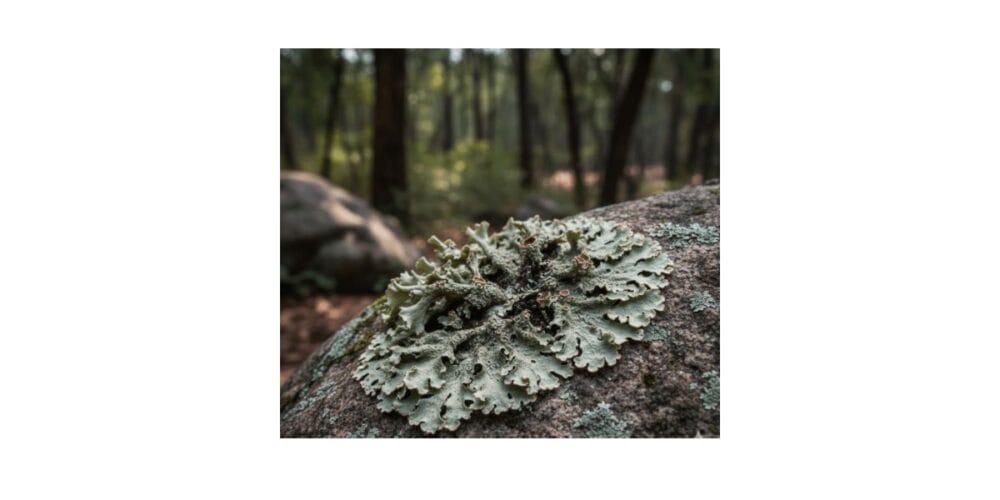
Stone Flower requires consistent humidity for growth. Regular misting is recommended—especially during dry seasons.
- Use a hand sprayer to mist water daily.
- Avoid waterlogging the surface.
- Ensure good air circulation to prevent fungal contamination.
Do not use chemical fertilizers or pesticides, as these may harm the delicate lichen structure.
Growth Period
Stone Flower is a slow-growing organism. It may take:
- 3 to 6 months for initial attachment
- 8 to 12 months for visible spread
- 12 to 24 months for harvestable growth
Patience is key when cultivating lichens like Stone Flower.
Also Read: How to Grow Sichuan Pepper: A Complete Cultivation Guide for High-Value Spice Farming
Harvesting Stone Flower
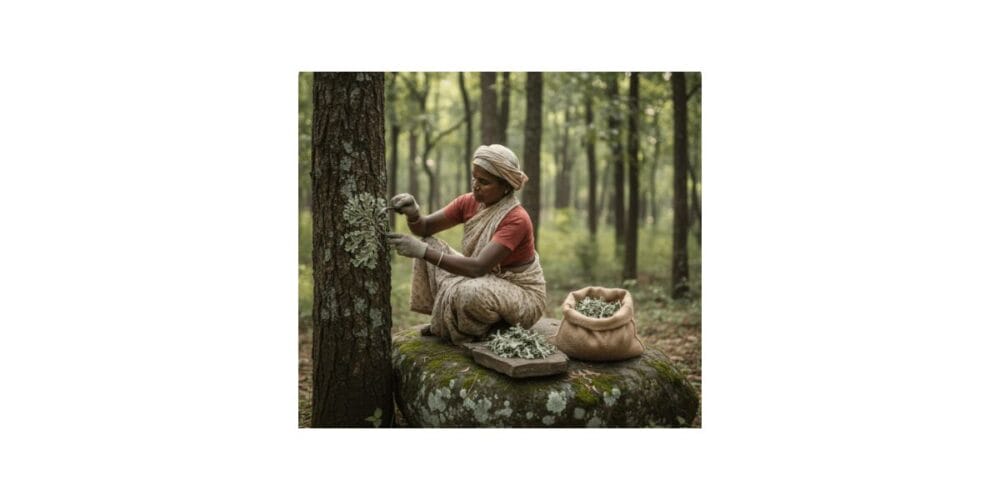
Once the lichen has fully developed and covered the surface:
- Gently scrape it off using a soft brush or knife.
- Do not remove the entire growth—leave some portion behind for regeneration.
- Clean and dry the harvested material in shade before storage.
Proper drying helps retain aroma and shelf life.
Benefits of Stone Flower Cultivation
- High demand in spice markets
- Used in Ayurvedic formulations
- Requires minimal investment
- Eco-friendly and sustainable
- Can be grown on non-arable surfaces
Common Challenges
| Challenge | Solution |
| Low humidity | Install a misting system |
| Direct sunlight | Use shade nets |
| Slow growth | Maintain consistent moisture |
| Surface contamination | Ensure cleanliness |
Alternate Uses
Apart from spice applications, Stone Flower is used in:
- Traditional medicine
- Perfume making
- Natural dye preparation
FAQs
Q1. Can Stone Flower be grown indoors?
Yes, it can be grown indoors if humidity and shade conditions are properly maintained.
Q2. Does Stone Flower require soil?
No, it grows on hard surfaces like bark and stones.
Q3. Is Stone Flower profitable?
Yes, due to its growing demand in the spice and herbal markets.
Also Read: How to Grow Shallot: A Complete Guide from Planting to Harvest
Final Thoughts
Stone Flower cultivation is a sustainable and eco-friendly venture that can be practiced even in small spaces. Although it requires time and patience, the long-term benefits make it a valuable addition to any spice grower’s portfolio.
By maintaining the right humidity and shade conditions, you can successfully cultivate this rare and aromatic natural resource at home or on your farm.
Also Read: About How to Grow Stone Flower (Kalpasi) on https://healthybuddha.in/stone-flower Site